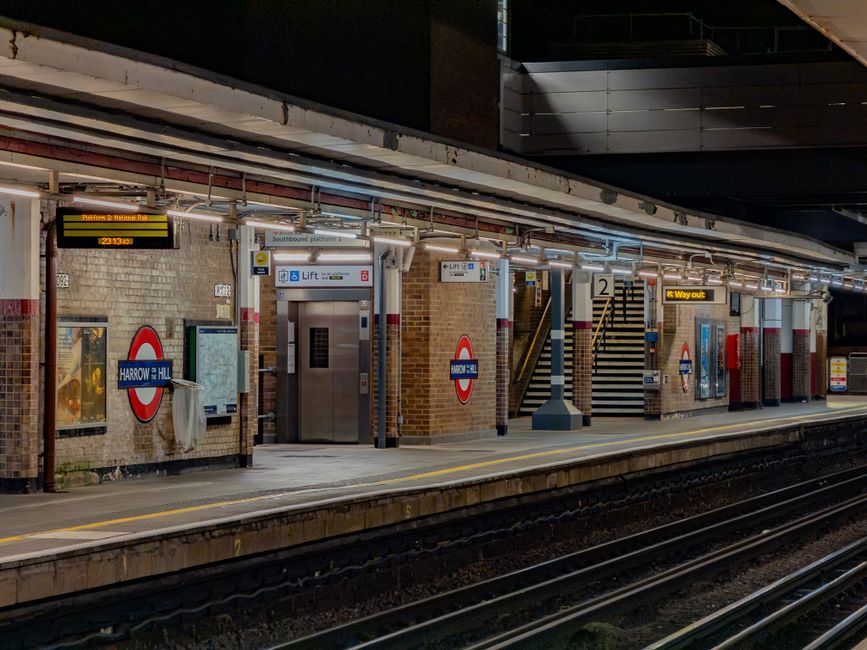
Hackbridge station rubbish pickup access tips for commuters
If you commute through Hackbridge and you have ever tried to shift a bag of rubbish, a broken chair, or a pile of mixed household waste around a station run, you will know the problem straight away: it sounds simple until you are standing there with a train due in four minutes. Hackbridge station rubbish pickup access tips for commuters are really about making that awkward little job less stressful, safer, and far more efficient. The goal is not just to get rid of waste. It is to do it without blocking the platform, annoying other passengers, or turning your morning into a scramble. In this guide, we break down the practical access points, timing choices, packing habits, and common pitfalls so you can plan it properly the first time.
To be fair, most people do not need a complicated system. They need a clear one. So that is what this article gives you: straightforward advice for commuters, a few local sense-checks, and the kind of detail that saves you from dragging a wheeled bag through a busy station at the worst possible moment.
- Why it matters
- How it works
- Key benefits
- Who this is for
- Step-by-step guidance
- Expert tips
- Common mistakes
- Tools, resources and recommendations
- Law, compliance and best practice
- Options and comparison
- Case study
- Practical checklist
- Conclusion
- Frequently asked questions
Why Hackbridge station rubbish pickup access tips for commuters Matters
Station access and waste handling might sound like an odd pairing, but commuters feel the friction quickly. Rush-hour footfall leaves little room for anything bulky or awkward. A single bin bag is manageable. A broken desk lamp, wet garden clippings, or an old printer box is another matter entirely. The wrong route, the wrong time, or the wrong handoff point can slow you down and make things uncomfortable for everyone around you.
There is also the simple matter of dignity. Nobody wants to stand on a platform pretending a leaking bag is not theirs. Nobody wants to miss a train because they were trying to balance rubbish, a coffee, and a phone at once. And nobody wants waste left where it can trip someone, blow away, or attract attention. Small job, yes. Small stress? Not always.
Hackbridge commuters often combine the rubbish pickup with a normal journey, which makes timing everything. If you understand the access pattern, you can choose a quieter exit, keep your load tidy, and avoid making a nuisance of yourself. That is the practical value here: less fuss, less risk, and a much cleaner handover.
Expert summary: the best rubbish pickup plan is the one that keeps your load compact, your hands free, and your route short. If any of those three go wrong, the whole thing gets harder than it should be.
How Hackbridge station rubbish pickup access tips for commuters Works
In practice, the process is pretty simple. You prepare the waste before you travel, decide where the pickup will happen, make sure your access route is realistic for your load, and keep your timing flexible enough to avoid peak commuter pressure. The key thing is that "access" is not just a physical doorway or gate. It also includes how easy it is to move from station to pickup point without creating a bottleneck.
Most commuter-friendly waste pickups work best when the waste is already grouped by type. Dry general waste in one bag, cardboard flattened into a neat bundle, and heavier items handled separately. That sounds obvious, but you would be surprised how often people turn up with loose bits of packaging, a half-open box, and one bag that looks one tug away from splitting. Not ideal. Not at all.
If you are using a local clearance or removal service, the access question becomes even more important. The team needs to know whether there is space to stop safely, where the items are being collected from, and whether the job involves stairs, narrow paths, or a short walk from the station entrance. For broader waste or clearance planning, you may find it useful to look at waste removal options and recycling and sustainability guidance before you book anything.
In commuter situations, a few minutes either side of the rush can make all the difference. Early morning is often calmer than the middle of the commute. Later evening can work too, depending on your route and your energy levels. Truth be told, a slightly less glamorous time slot is often the smarter one.
Key Benefits and Practical Advantages
The main benefit is obvious: you get the rubbish out of your way without it taking over your day. But there are a few other advantages that matter just as much.
- Less time pressure: a sensible access plan means you are not rushing at the last second.
- Safer movement: fewer awkward lifts, fewer dropped items, fewer close calls near crowds.
- Cleaner station experience: tidy handling reduces mess, smell, and spill risk.
- Better collection efficiency: if the waste is ready and the route is clear, pickup is quicker.
- Lower chance of delays: your commute stays a commute, not a side quest.
There is a softer benefit too: peace of mind. When waste is prepared properly, you stop thinking about it. That mental load disappears. You get on the train, sit down, and actually relax for once. Small mercy, but a real one.
For households, commuters often use the station run to line up other jobs as well, like a furniture drop-off or appliance move. If that sounds familiar, it may help to review furniture disposal choices or fridge and appliance removal support so you know what needs special handling.
Who This Is For and When It Makes Sense
This kind of access planning is useful for more people than you might expect. It is not just for homeowners clearing a whole room. It suits anyone trying to combine travel with a waste handoff in a compact time window.
- Commuters carrying one or more bags of household rubbish
- Flat residents dealing with bulky packaging after a delivery
- People moving out and needing a quick partial clear-out
- Office workers arranging confidential or general waste collection near their route
- Tradespeople who need to shift light builder's waste without turning the journey into a headache
- Anyone with limited mobility who needs a less strenuous way to manage disposal
It makes sense when the load is manageable, the timing is predictable, and the route is short enough that you are not constantly stopping to reset your grip. It also makes sense if you are trying to stay within normal commuting habits rather than booking a separate day off just to deal with waste. Let's face it, no one wants to use annual leave for bin logistics.
If your rubbish is part of a broader home or flat clearance, the local service pages on flat clearance, home clearance, and house clearance may be a better fit than trying to piece things together one bag at a time.
Step-by-Step Guidance
Here is a straightforward way to manage rubbish pickup access without making it harder than it needs to be.
- Sort the waste the evening before. Separate dry waste, bulky items, recyclables, and anything that needs special handling. A last-minute sort at the station is asking for trouble.
- Check the load size. Can you carry it comfortably in one trip? If not, reduce it. If it needs two hands and a prayer, rework it.
- Choose a sensible collection point. Pick a location that is easy to reach from your usual route and does not force you through the busiest part of the station entrance.
- Pack for movement. Use strong bags, seal loose material, flatten cardboard, and secure anything that might topple or leak.
- Build in a time buffer. Give yourself a few extra minutes. A queue, a delayed lift, or a slow walk with a heavy bag can eat time fast.
- Keep your hands free where possible. If you can use a trolley, a backpack, or a shoulder strap safely, it is usually easier than juggling multiple loose items.
- Confirm the handoff. If someone is collecting waste, make sure they know where you will be, what you are bringing, and what it looks like.
- Leave the route clean. Check for drips, crumbs, or loose packaging. No one wants to trail rubbish behind them like a paper-and-cardboard comet.
If the waste includes items that cannot go in normal mixed rubbish, check guidance before you travel. In some cases, safe disposal requires a more specific route, especially for electrical items, sharps, or anything classed as hazardous. For those situations, the relevant pages on hazardous waste disposal and what can go in a skip are useful starting points.
Expert Tips for Better Results
A few small habits make a large difference. In our experience, the people who have the smoothest collections are not the ones with the fanciest kit. They are the ones who prepare like they mean it.
Keep waste visually tidy
A neat load is easier to carry and easier for a collector to assess. Put soft items in sealed bags, tape loose cardboard, and remove anything that will snag. It is boring advice. It works.
Match the pickup to your commute rhythm
If your journey is usually hectic, do not try to add a waste handoff during your tightest transfer window. Shift it slightly earlier or later if you can. You will feel the difference immediately.
Think about weather and footing
A damp morning changes everything. Bags are heavier, pavements are slicker, and even a short walk feels more awkward. If it is raining, keep a cover ready and avoid overfilling anything that might split.
Use the right disposal route for the item
A sofa, a mattress, a broken fridge, and a few bags of mixed rubbish are not the same job. They should not be treated the same way either. If your load is mainly furniture, take a look at mattress and sofa disposal or furniture clearance. If it is office material, office clearance may fit better.
Ask the simple questions early
How long will the pickup take? Where should the items be placed? Is there anything the collector cannot take? Asking at the start avoids that awkward, "oh, by the way..." moment later on. Nobody enjoys that moment.
Common Mistakes to Avoid
The mistakes are usually basic, which is why they are so easy to make.
- Leaving the sort until the last minute: this creates clutter, confusion, and stress.
- Overloading bags: a split bag at a station is the fastest way to ruin the plan.
- Ignoring special waste: certain items need separate treatment, not a "just take it" approach.
- Poor timing: trying to move bulky waste during peak crowding is asking for friction.
- No clear meeting point: if the collector has to guess where to find you, the job slows down.
- Forgetting building access rules: if a lift, gate, or entrance has restrictions, check them before you set out.
One small but common issue is underestimating the smell factor. Food waste, damp cardboard, and old soft furnishings can become unpleasant quickly, especially in a warm platform environment. If something smells off at home, it will not improve on the train. That is just science, or common sense, really.
Tools, Resources and Recommendations
You do not need much equipment, but the right few items help a lot.
- Strong reusable bags or heavy-duty sacks: for secure, manageable loads.
- Sturdy tape: useful for flattened cardboard or wrapping loose pieces.
- Gloves: helpful when handling dusty, sharp, or awkward waste.
- Small folding trolley: ideal for short flat routes if you can use one safely.
- Labels or sticky notes: useful if multiple bags are being collected for different disposal routes.
- Phone notes: simple but effective for keeping pickup times, item details, and collection instructions in one place.
For service planning, the pages on pricing and quotes, book online, and contact us are the practical next stops if you are arranging a collection rather than just researching how to handle it. If you are comparing broader cleanup options, garage clearance, loft clearance, and builders waste clearance can be relevant too, depending on what you are shifting.
Law, Compliance, Standards, or Best Practice
When waste is being moved around a station environment or through shared public space, basic compliance matters. You do not need to overcomplicate it, but you do need to stay sensible and careful.
In the UK, the broad expectation is that waste should be handled safely, not left where it can cause obstruction, nuisance, or contamination. If you are dealing with business waste, confidential material, electrical items, or items that could be hazardous, use an appropriate disposal route rather than mixing everything together. That is both a practical and a duty-of-care issue.
For commuters, the main best-practice points are straightforward:
- Keep paths clear and do not block station access
- Make sure bags are secure and not leaking
- Separate special waste from general waste
- Use a service that can handle the item type properly
- Do not leave anything unattended in a public area
If the waste comes from a workplace, the expectations are usually tighter. A business should think about data protection, safe handling, and reliable removal. For that reason, business waste removal and confidential shredding are relevant if your commute is part of an office routine or a hybrid working setup.
It is also worth noting that good providers usually publish their approach to safety, insurance, payment security, and sustainability. That is not just admin. It tells you how they work. You can review health and safety policy, insurance and safety, payment and security, and about us if you want a clearer sense of the standards behind the service.
Options, Methods, or Comparison Table
Not every rubbish job around Hackbridge station needs the same solution. Here is a practical comparison of common approaches.
| Method | Best for | Advantages | Watch-outs |
|---|---|---|---|
| Carry it yourself on a normal commute | Light, secure waste in one or two bags | Fast, flexible, no booking required | Can be awkward, tiring, or unsafe if overloaded |
| Book a scheduled pickup | Mixed waste, bulky items, or time-sensitive clear-outs | Less stress, clearer handoff, better for larger jobs | Needs planning, timing, and clear access instructions |
| Use a clearance service for larger loads | Furniture, room clearances, garden waste, office items | Handles more volume and varied item types | May require more detail on access, item type, and collection point |
| Split the job into smaller loads | Commuters who cannot move everything at once | Easier to manage, less physical strain | Takes longer and needs good organisation |
If you are trying to decide which route is sensible, ask yourself one question: do you want the waste gone, or do you want the least disruptive way to get it gone? Those are not always the same thing. Often, the second option is the better one.
Case Study or Real-World Example
Picture a commuter leaving a one-bedroom flat near Hackbridge after a weekend of sorting through old boxes, packaging, and a battered bedside table. Monday morning arrives. The first instinct is to shove everything into two bags, head to the station, and "deal with it on the way." Sounds efficient. In reality, it becomes a tangle of loose cardboard, one heavy bag, one hand holding coffee, and a growing sense of regret.
The better version is calmer. The cardboard is flattened the night before, the general rubbish is bagged securely, and the bedside table is set aside for a separate furniture collection. The commuter chooses a slightly earlier window, walks a cleaner route, and meets the collector at a point that avoids the busiest entrance flow. It takes a bit of planning, yes. But the actual handoff is quick, and the train journey is uneventful. Which, honestly, is the dream.
That is the real lesson. A tiny bit of preparation turns a messy errand into a simple routine. You do not need perfection. You just need enough order that you are not improvising under pressure.
Practical Checklist
Use this before you leave home or head out for the pickup.
- Waste sorted by type
- Bags sealed and strong enough for the load
- Loose cardboard flattened and tied or taped
- Any hazardous or special items separated
- Pickup time confirmed
- Meeting point agreed
- Route checked for stairs, gates, or narrow access
- Weather and carrying conditions considered
- Phone charged in case the plan changes
- Recycling items kept apart where relevant
- Collector or service details saved in one place
- Nothing left behind on the platform, path, or entrance
If you are dealing with mixed household waste, a quick look at recycling and sustainability can help you separate what should be reused, recycled, or disposed of through a more suitable route.
Conclusion
Hackbridge station rubbish pickup access tips for commuters are really about three things: preparation, timing, and respect for the space around you. When those are in place, waste handling stops feeling like a nuisance and starts feeling like a manageable part of the day. Not glamorous, granted. But manageable is good.
Whether you are carrying one bag, arranging a small collection, or planning a bigger clearance, the smartest approach is the one that keeps the route simple and the load safe. A tidy plan saves time, reduces stress, and helps you avoid the little mishaps that always seem to happen when you are already running late. We have all been there.
Get a free quote today and see how much you can save.
And if today's job feels too awkward to do in one go, that is fine. Break it down, keep it safe, and take it step by step. That steady approach is usually the one that works best in the real world.
Frequently Asked Questions
What is the easiest way to handle rubbish pickup near Hackbridge station as a commuter?
The easiest method is to sort the waste the night before, keep the load compact, and agree a clear meeting point close to your usual route. If possible, avoid peak crowding and allow a few extra minutes.
Can I carry household rubbish on my normal train commute?
Yes, if it is securely bagged, manageable, and not disruptive to other passengers. The key is to keep it tidy and light enough that you can move safely without blocking access.
What should I do with bulky items like a chair or mattress?
Bulky items are usually better handled through a specific collection or clearance service rather than a normal commute. Furniture and bedding are awkward to carry through a station and should be handled separately where possible.
How do I avoid causing a mess while moving rubbish through the station?
Use strong bags, seal loose material, flatten sharp cardboard edges, and do a quick visual check before you leave. If anything looks like it may leak or split, repack it first.
Is it better to book a collection in advance or try to do it on the way?
For light waste, either can work. For anything bulky, mixed, or time-sensitive, booking in advance is usually the safer and less stressful option.
What types of waste need special care?
Anything hazardous, broken electrical equipment, sharp material, or heavily contaminated waste needs special attention. Do not mix those items into general rubbish unless you are sure they are suitable for that route.
How much preparation do I really need for a small pickup?
More than most people think, but not much more. A few minutes of sorting, bagging, and checking the route usually prevents most problems later.
Can I use a trolley or suitcase for rubbish bags?
Sometimes, yes. A small trolley can help on flat ground, but only if it stays stable and does not obstruct the station. If it makes the route awkward, it is probably not worth it.
What if my pickup time clashes with the busy commuter window?
If you can shift the timing even slightly, do it. A small change can make access much easier. If not, keep the load lighter and allow extra time so you are not rushing.
Do I need to separate recyclable items from general rubbish?
Where practical, yes. It is cleaner, more efficient, and usually better for the overall disposal process. Flatten cardboard, keep clean recyclables separate, and do not contaminate them with food waste.
Who should I contact if I want a more organised waste collection plan?
If you want a structured collection rather than an improvised one, use the site's service and quote pages to plan the job properly. A clear collection arrangement is usually easier than trying to make waste fit a busy commute.
What is the biggest mistake commuters make with rubbish pickup access?
The biggest mistake is underestimating the load. A bag that feels fine at home can become awkward fast once you are moving, waiting, and carrying it through a station. Small loads are easier than they look; big loads are bigger than they look. Funny how that works.