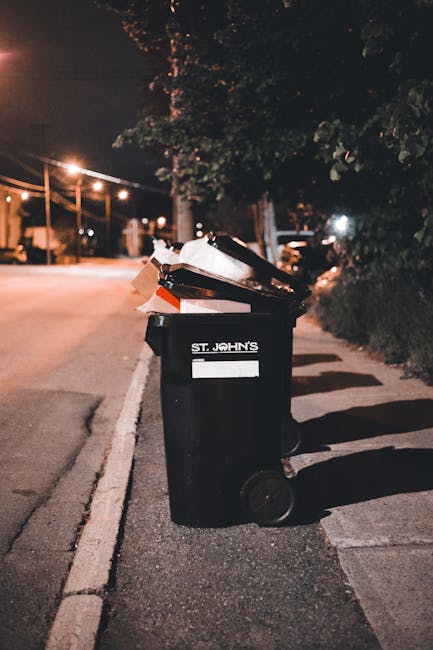
Hackbridge SM6 Local Rubbish Collection Guide for Residents
If you live in Hackbridge SM6, rubbish builds up in the usual way: a broken wardrobe in the hallway, a pile of garden cuttings after a weekend clear-up, maybe a few bags from a loft tidy that somehow stayed for months. This Hackbridge SM6 local rubbish collection guide for residents is here to make the process feel less messy, less confusing, and a lot more manageable. Whether you are comparing local collection options, trying to avoid fly-tipping risks, or simply wanting the quickest way to clear unwanted items, this guide covers the practical side of it all.
We will walk through how rubbish collection works, what residents should look out for, when a professional clearance service makes sense, and how to stay on the right side of UK waste rules without overthinking every bag. Let's face it, nobody wants to spend a Saturday arguing with a bin bag. You want a clear plan, a fair price, and a clean result.
Quick takeaway: the best rubbish collection choice in Hackbridge SM6 usually depends on the type of waste, how much there is, how quickly it needs removing, and whether anything needs special handling.
Why Hackbridge SM6 local rubbish collection guide for residents Matters
Waste might seem simple until you actually have to deal with it. Then the questions start. Can this go in a normal bin? Is it bulky waste? Does it need special handling? Will it fit in the car? Can it be left outside? The answers matter because the wrong choice can lead to delays, extra cost, or a very unpleasant front garden situation.
In a place like Hackbridge SM6, where homes range from flats to family houses and many people are balancing busy routines, rubbish collection needs to be convenient. People often need a collection that works around work, school runs, shared access, parking restrictions, and the general reality of London life. Not everything can wait until "next week". Sometimes it has to go now.
There is also the issue of responsibility. Waste left in the wrong place, or handed to the wrong operator, can become a problem for the resident. That includes messy shared areas, blocked driveways, bad smells, and the real risk that waste ends up dumped somewhere it should not be. Nobody wants that on their conscience, or tied to their address.
This guide matters because it helps you make a sensible decision. It gives you a straightforward way to compare your options, avoid common traps, and choose a collection method that suits your home, your budget, and your timetable.
How Hackbridge SM6 local rubbish collection guide for residents Works
At a practical level, rubbish collection is about matching the right service to the right waste. That sounds obvious, but it is where a lot of households get stuck. A couple of bin bags is a very different job from a garage full of old furniture, and a bag of hedge trimmings is not the same as plasterboard, a fridge, or broken tiles.
For residents, the usual process is:
- Identify the waste type. Separate general household rubbish from bulky items, garden waste, appliances, and anything potentially hazardous.
- Estimate the volume. A few bags, one sofa, half a van load, a full clear-out - it all changes the best collection method.
- Check access. Think about stairs, narrow hallways, shared entrances, parking, and whether the waste is easy to reach.
- Choose the collection route. That might mean a local council collection, a skip, or a private waste removal service.
- Prepare items for removal. Move waste to an agreed point if needed, keep any reusable items separate, and make sure restricted materials are flagged early.
- Confirm collection details. Timing, price, payment, and any loading or lifting support should be clear before the job starts.
That is the simplified version. In reality, the best collection option often depends on a few small details. For example, a third-floor flat with no lift and a tight landing will need a different approach from a driveway-side house in Hackbridge. Same postcode, very different job.
If your waste includes larger household items, you may want to look at dedicated options such as furniture disposal or mattress and sofa disposal. For bigger property emptying jobs, home clearance and house clearance can be more efficient than piecing everything together yourself.
Key Benefits and Practical Advantages
Good rubbish collection is not just about getting rid of things. It saves time, reduces stress, and helps your home feel manageable again. There is something oddly satisfying about a clear hallway and a bin area that does not make you sigh every time you pass it.
- Faster clearance: useful when waste is blocking a room, path, garden, or loft.
- Less lifting for you: especially helpful for bulky furniture, heavy bags, or awkward items.
- Better sorting and recycling: many mixed loads can be separated more effectively when handled properly.
- More flexibility: private collection can often work around the home rather than requiring you to transport everything.
- Lower hassle: no hiring a van, no endless trips to a tip, and no wrestling a wardrobe through the back gate at 8pm.
There is also a quiet but important benefit: peace of mind. When waste is collected properly, you are not left wondering where it ended up or whether you have done the right thing. That matters more than people admit.
For residents who want to keep disposal cleaner and more organised, it can be useful to read about recycling and sustainability before booking a collection. If you are checking pricing first, pricing and quotes is a sensible next step.
Who This Is For and When It Makes Sense
This guide is for Hackbridge SM6 residents dealing with everyday waste that has outgrown the normal bin routine. That could be a one-off clear-up after moving home, or it could be the result of a project that got slightly bigger than expected. Happens all the time.
It makes sense for you if you are dealing with any of the following:
- bulky household waste after redecorating or replacing furniture
- garden waste after cutting back hedges, branches, or lawn debris
- items from a loft, garage, or shed that need sorting out
- white goods or appliances that should not be left out casually
- mixed rubbish from a move, tenancy change, or family clear-out
- builders' debris from DIY work
If your home is a flat, a shared house, or somewhere with tight access, a collection service can be especially helpful. In those settings, the hard part is often not the waste itself. It is the stairs, the parking, the narrow doors, the awkward timing, the shared neighbours. The usual fun stuff.
For flats and smaller properties, flat clearance can be a more practical route than trying to move items in stages. For lofts and storage-heavy homes, loft clearance is worth considering when the top floor has become a sort of memory museum.
Step-by-Step Guidance
Here is the simplest way to approach rubbish collection without making it harder than it needs to be.
- Sort the waste by type. Keep general rubbish separate from bulky items, garden waste, electricals, and anything sharp or hazardous.
- Decide what stays and what goes. If you are unsure about an item, place it in a separate pile rather than rushing it into the wrong category.
- Measure the scale of the job. A rough volume estimate is usually enough. You do not need engineering precision, thankfully.
- Check access points. Note stairs, alleyways, locked gates, parking issues, or shared hallways.
- Choose the most practical collection option. A skip suits some projects; a collection service suits others; a combination can be ideal.
- Ask about handling special items. Fridges, appliances, mattresses, and certain waste streams need proper treatment.
- Agree the collection time and finish point. Be clear about what should be taken, and what should remain on site.
- Keep an eye on the load before it leaves. A quick final check avoids confusion. Once it is gone, it is gone.
If you are dealing with renovation debris, it may be worth checking builders waste clearance or, if you are comparing container-based disposal, what can go in a skip. For harder, mixed loads, a general waste removal service is often the easiest route.
Expert Tips for Better Results
After enough waste clearances, a few patterns start to show. The jobs that go smoothly are usually the ones where the resident does a little preparation. Not loads. Just enough to make the removal team efficient and reduce surprises.
- Take five minutes to separate reusable items. Once something is mixed into a pile, it is far less likely to be kept for donation or reuse.
- Keep pathways clear. A clear route saves time and reduces the chance of bumps, scuffs, or awkward carrying positions.
- Photograph bulky items if you are getting a quote. A quick image often gives a more accurate estimate than a long description.
- Flag special waste early. Appliances, fragile items, and anything potentially hazardous should never be a surprise on the day.
- Bundle similar waste together. It makes loading faster and helps avoid missed items.
One tiny tip that sounds obvious but is often forgotten: put the kettle on before the crew arrives. You will be amazed how much calmer a job feels when everyone has a hot drink nearby and a bit of breathing space.
If you are clearing a specific room, it can also help to use targeted services rather than a broad, one-size-fits-all approach. For example, old tables, chairs, and wardrobes are often better handled through furniture clearance, while household overspill may suit home clearance.
Common Mistakes to Avoid
Most rubbish collection problems are preventable. They usually come from rushing, guessing, or assuming all waste is treated the same way. It is not, and that is where things go sideways.
- Mixing restricted waste with normal rubbish: this can create safety issues and slow everything down.
- Underestimating volume: the "two bags" that turned into six is a classic story, honestly.
- Leaving items in awkward places: if a loader cannot reach them safely, the collection may take longer than expected.
- Forgetting about shared access: flats and terraces often need a bit more planning.
- Not checking what happens to the waste: proper disposal matters, especially for bulky or mixed loads.
- Assuming every service handles everything: some waste types need special arrangements.
Another common mistake is holding onto damaged items for too long because "they might come in handy one day". Truth be told, most people do this with at least one garage shelf. The trick is to be honest about what is genuinely useful and what is just taking up space.
If you have broken appliances, make sure you look at fridge and appliance removal rather than lumping them in with ordinary household rubbish. The same goes for anything potentially risky. For those items, hazardous waste disposal is the safer route.
Tools, Resources and Recommendations
You do not need specialist kit for most home rubbish collection jobs, but a few simple tools help enormously. Keep it practical. Nobody needs to overcomplicate a bin bag.
- Strong sacks or boxes: for safer handling of loose rubbish and small mixed items.
- Gloves: useful for sharp edges, dusty loft items, and garden waste.
- Tape and labels: good for separating keep, donate, and remove piles.
- Phone camera: ideal for getting accurate quotes and documenting loads.
- Measuring tape: handy when bulky items need space planning.
For residents comparing service quality, it can help to review a provider's approach to insurance and safety and their wider health and safety policy. Those pages may not feel glamorous, but they matter. A lot. Especially with stairs, heavy lifting, and awkward furniture.
If you are worried about data-bearing materials during a clear-out, confidential shredding is useful for paper records and old paperwork. And if your clear-out includes sofa replacements, the page on mattress and sofa disposal is worth a look too.
Law, Compliance, Standards, or Best Practice
Waste collection is not just a practical issue; it is also a compliance issue. Residents do not need to memorise legislation, but they do need to use sensible, lawful disposal routes. In the UK, the broad expectation is that waste should be handled responsibly and not passed to anyone who cannot manage it properly.
As a homeowner or tenant, the safest approach is to use recognised collection methods, keep waste types separated where possible, and avoid leaving items to be dealt with informally. That is especially true for electrical items, sharps, chemicals, and mixed construction waste. If in doubt, treat the item as needing special handling until you know otherwise.
Best practice also means using a provider that explains what they take, how they handle loading, what happens to collected waste, and any limits on restricted materials. If a service is vague, that is usually your cue to slow down. A clear operator is easier to trust than a vague one with a fast voice.
Residents should also think about responsible transfer of waste from the property to the collector. Do not hand waste to someone if you are not confident they are equipped to deal with it properly. That small decision can save a lot of trouble later.
For readers who want to better understand how the business manages responsibility and transparency, pages such as about us, terms and conditions, and payment and security can be helpful background reading.
Options, Methods, or Comparison Table
Different waste jobs call for different methods. Here is a simple comparison to help you decide what fits best.
| Method | Best for | Strengths | Possible drawbacks |
|---|---|---|---|
| Council-style collection | Simple household items or scheduled waste | Familiar and straightforward for basic needs | May be less flexible for bulky or urgent jobs |
| Skip hire | DIY, renovation, or larger ongoing loads | Useful for big volumes and site-based sorting | Needs space, permits may be relevant, and you load it yourself |
| Private rubbish collection | Bulky items, mixed loads, quick clearances | Fast, flexible, and often includes lifting | Needs clear quoting and item descriptions to avoid surprises |
| Specialist disposal | Appliances, sofas, mattresses, hazardous items | Better handling for items with specific rules | Not all providers take every item type |
As a rule of thumb, if you are dealing with several roomfuls of items, a full or partial house clearance may be more efficient than trying to book multiple smaller removals. For mixed domestic and storage waste, a garage clearance can be a neat middle ground.
Case Study or Real-World Example
Here is a realistic example from the kind of job many Hackbridge SM6 residents face. A family had just finished decorating and clearing out a spare room. The pile included two broken bedside tables, a small bookcase, several black bags of old clothes and packaging, a tired mattress, and a few electrical bits that were no longer wanted. Nothing dramatic. Just enough to take up half the landing and make the hallway feel smaller than it was.
They could have tried to handle it over multiple car trips. They could have borrowed a van, waited for a free weekend, and made three or four runs. But that would have meant lifting heavy items twice, not once, and storing rubbish indoors for longer. Not ideal.
Instead, they sorted the items into categories, separated anything reusable, and booked a collection suited to mixed household waste. The mattress and sofa-type items were handled separately, and the rest was removed in one visit. The result was simple: the hallway was clear by lunchtime, the room felt usable again, and there was no need to keep moving the same dust-covered bookcase from corner to corner.
That kind of job is exactly where local rubbish collection earns its keep. It is not glamorous, but it works. And sometimes that is enough.
Practical Checklist
Use this before booking any rubbish collection in Hackbridge SM6.
- Have I identified the waste type correctly?
- Have I separated items that may need special disposal?
- Do I know roughly how much needs removing?
- Is access clear for safe collection?
- Are there stairs, gates, parking issues, or shared entrances to mention?
- Have I set aside anything I want to keep, donate, or reuse?
- Do I need a specific service for furniture, appliances, garden waste, or builders' debris?
- Have I checked the provider's safety, pricing, and terms information?
- Do I understand what happens to waste after collection?
- Is the collection method the best fit for speed, cost, and convenience?
Expert summary: the smartest rubbish collection plan is the one that matches your waste type, access conditions, and time pressure. If those three line up, the rest usually falls into place.
Get a free quote today and see how much you can save.
Conclusion
Rubbish collection in Hackbridge SM6 does not need to be complicated. Once you know what you have, how much of it there is, and whether any items need special handling, the right solution becomes much easier to spot. That is really the heart of it.
For some residents, a simple pickup is enough. For others, especially with bulky furniture, loft clutter, garden waste, or mixed household items, a more flexible clearance service makes life a lot easier. Either way, good preparation pays off. A few minutes of sorting can save a lot of time on collection day.
If you are trying to clear space, reduce stress, and avoid the usual rubbish headaches, a structured approach is the best starting point. Clean up the problem at the source, choose the right collection method, and keep the process calm. Simple, really. Well, as simple as waste ever gets.
And when the last bag is gone and the room smells a little fresher, a little lighter, that small sense of order feels surprisingly good.
Frequently Asked Questions
What is the best rubbish collection option for Hackbridge SM6 residents?
The best option depends on the type and amount of waste. Small routine waste may suit standard collection, while bulky or mixed items often work better with a private rubbish removal or clearance service.
Can I book rubbish collection for bulky household items?
Yes. Bulky items such as wardrobes, sofas, mattresses, and broken furniture are commonly collected through dedicated services. It helps to describe the items clearly before booking.
What should I do with broken appliances?
Broken appliances should be handled separately from ordinary household rubbish. Look for a service that deals with appliance removal, especially for fridges and larger electrical items.
Is garden waste collected differently from general rubbish?
Often, yes. Garden waste like branches, grass cuttings, and soil can be treated differently from mixed household waste. Separating it in advance usually makes collection smoother.
Do I need to sort everything before collection?
Basic sorting helps a lot, but you do not usually need to organise every item into a perfect system. The main thing is to separate obviously different waste types and flag anything special.
How do I know if I need a skip or a rubbish collection service?
If the waste is being generated over time during a project, a skip may suit you. If you want fast removal and help with lifting, a rubbish collection service is often easier.
What happens if I have items that might be hazardous?
Hazardous or potentially risky waste should not be mixed with normal rubbish. It needs a proper disposal route, and you should mention it early so the collection can be arranged safely.
Can rubbish collection help with a full house clear-out?
Yes. Full or partial clear-outs are common, especially when moving home, handling an inherited property, or reducing long-term clutter. A broader house or home clearance is often the most efficient option.
How can I avoid overpaying for rubbish collection?
Give a clear description of the waste, include photos if possible, and ask what is included in the service. Accurate information usually leads to more accurate pricing.
Is it better to use one collection for everything or split the job into parts?
That depends on the waste. Mixed household items may be fine together, but appliances, furniture, and hazardous waste often need separate handling. Splitting the job can sometimes save time and confusion.
What if I live in a flat with limited access?
Flat access can make rubbish removal more awkward, but it is very manageable with the right planning. Mention stairs, lifts, parking, and entry codes when arranging the collection.
Where can I find more information about the service and policies?
You can review the provider's pages on pricing, safety, recycling, terms, and related clearance options to understand how the service is run and what to expect before booking.